Play Work
Specialist training in play-based pedagogy — covering children's rights to play, theoretical approaches, enabling environments, inclusive practice, and how the practitioner supports children's socialisation and behaviour through play.
Who This Programme Suits
- Play Workers in Schools & After-School Clubs
- Play Support Workers in Community Settings
- Nursery Practitioners focusing on play-led learning
- Primary Care Play Facilitators
- Early Years staff extending specialist skills
- Community play project workers
Unit: CCD/014/L3
Play and Learning · Level 3
Credit Value: 5 · 50 Guided Hours
Why Play is the Heart of Learning
Play is not just what children do — it is how they develop, communicate, create, and make sense of the world. This programme trains practitioners to facilitate, extend and protect children's right to play.
Cognitive Development
Play builds problem-solving, creativity, language, and early literacy — children who play deeply develop stronger academic foundations throughout their education.
Social & Emotional Growth
Through play, children develop empathy, resilience, self-regulation, and the ability to form meaningful relationships with peers and adults.
Physical Development
Active play develops gross and fine motor skills, spatial awareness, coordination and physical confidence — essential throughout early childhood.
9 Learning Outcomes
The Play Work programme is built on Unit 14 — a comprehensive exploration of play theory, children's rights, enabling environments, and the practitioner's role.
- Explain the innate drive for children to play
- Describe how play supports learning and development across all domains
- Analyse the impact of play deprivation on children's learning and development
- Understand and articulate children's rights in relation to play
- Explain how Early Years settings actively support children's rights to play
- Discuss how theoretical perspectives on play and learning inform practice
- Discuss how philosophical approaches on play and learning inform practice
- Discuss current national and local frameworks in relation to play and learning requirements
- Explain child-initiated play and adult-led play and their respective roles
- Describe characteristics and benefits of physical, creative, imaginative, sensory and heuristic play
- Evaluate appropriate resources for each type of play
- Explain the characteristics of an enabling indoor play environment
- Explain the characteristics of an enabling outdoor play environment
- Discuss inclusive play practice in relation to current frameworks
- Describe how play supports the diverse interests and abilities of all children
- Analyse the role of the EY practitioner in supporting socialisation within play environments
- Evaluate a range of strategies to support children to manage their own behaviour
- Discuss how play needs and preferences change with the child's stage of development
- Discuss benefits of involving others in children's play — parents, siblings, peers
The 5 Types of Play
Learners explore the characteristics, benefits, and appropriate resources for each of the five play types covered in this programme.
Physical Play
Running, climbing, balancing and active outdoor play. Develops gross motor skills, coordination, spatial awareness and physical confidence in children of all ages.
Creative Play
Art, music, construction and making. Children explore materials, express ideas, and develop fine motor skills and creative thinking through hands-on activities.
Imaginative Play
Role play, small world play, storytelling and drama. Children process experiences, develop language, empathy, and understanding of the world around them.
Sensory Play
Sand, water, messy play and tactile experiences. Stimulates all senses, builds neural connections, and supports children with sensory processing differences.
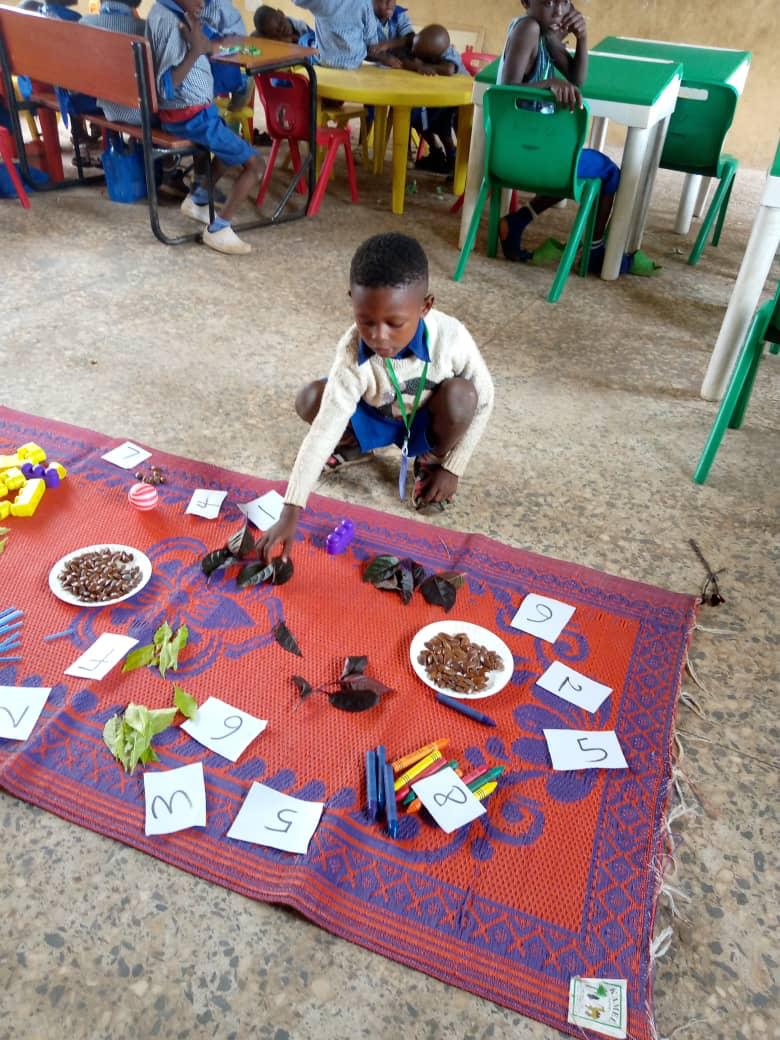
Heuristic Play
Exploration of everyday objects and natural materials — treasure baskets, loose parts. Children discover properties, cause-and-effect, and develop curiosity-led thinking.
Inclusive Play
Adapting all play environments, resources and approaches to ensure every child — regardless of ability, need or background — can fully participate and thrive.
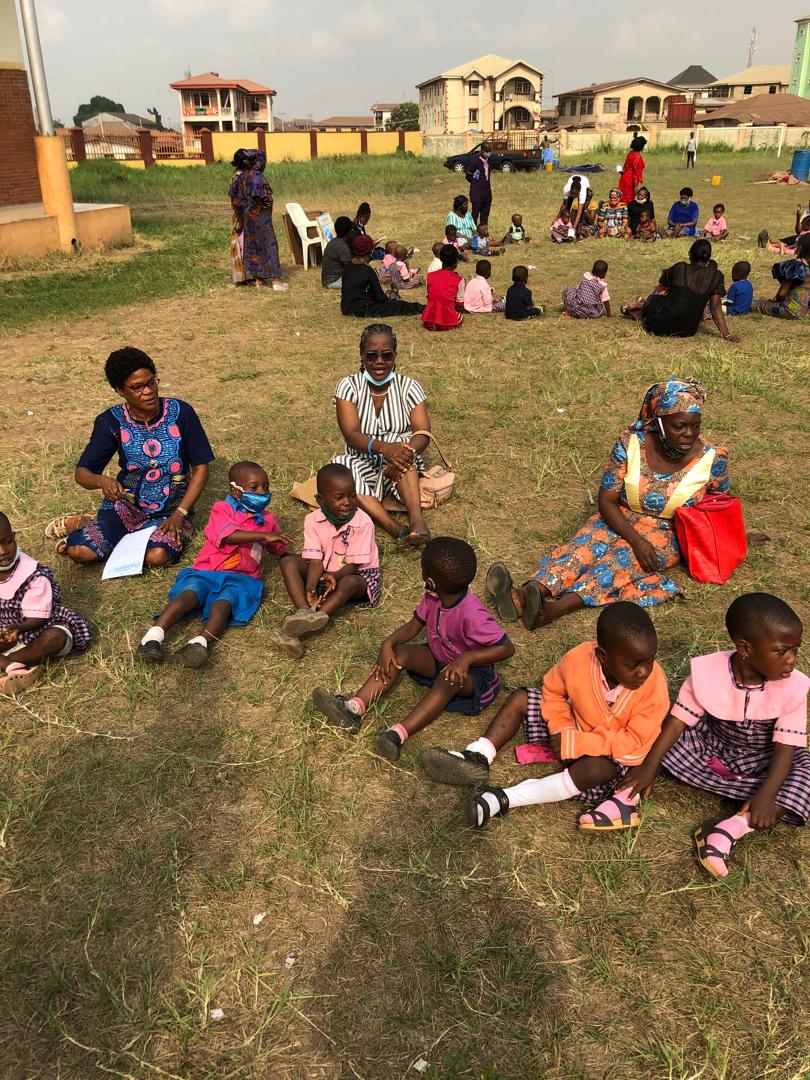
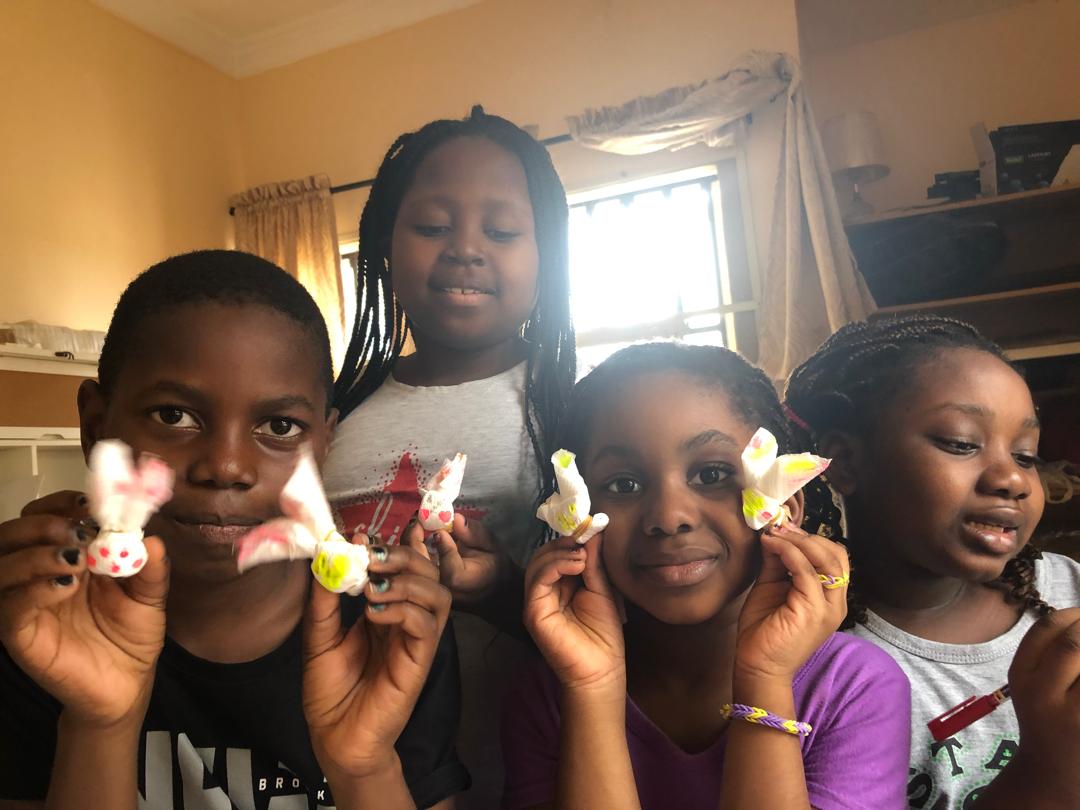
Learning Through Play
Specialise in Play
Join ELESL's Play programme and become a specialist in the most powerful vehicle for children's learning — play itself.